Der erste Monat mit deinem neuen Baby ist eine wahre Fundgrube an besonderen Momenten, die mit einer Reihe von Fragen zum Schlafverhalten des Kindes einhergehen. Als Elternteil musst du die Schlafgewohnheiten deines 4 Wochen alten Säuglings verstehen, um seine Entwicklung und deine zu fördern. In diesem umfassenden Leitfaden erfahren wir alles, was es über den Schlafablauf eines 1-Monats-Kindes zu wissen gibt, einschließlich der zu erwartenden Dauer und Tipps für einen besseren Schlaf.
Wie viel sollte ein Neugeborenes schlafen?
Babys schlafen etwa 14-17 Stunden am Tag, wenn sie 1 Monat alt sind. Dabei handelt es sich aber nicht um lange, ununterbrochene Stunden. Der Schlafrhythmus deines Babys befindet sich noch in der Entwicklung, deshalb wachen sie sehr oft auf.
Wie lange sollte ein 1 Monat altes Baby wach sein?
Ein 1 Monat altes Baby sollte nur etwa 45-60 Minuten am Stück wach sein. Dieses kurze "Aufwachfenster" ist normal und spiegelt auch ihre geringe Toleranz gegenüber Stimulationen wider. Wenn du dein Baby länger wach hältst, kann das zu Übermüdung führen, die es ihm erschwert, zur Ruhe zu kommen.
Einige der Anzeichen dafür, dass dein Baby übermüdet ist, sind:
- Aufregung
- Rückwärts gewölbter Rücken
- Augen meiden Blickkontakt
- Gähnen
- Geballte Fäuste
Wenn du diese Anzeichen erkennst und rechtzeitig reagierst, kannst du einen gesünderen Schlafrhythmus vermeiden.
Musterschlafplan für ein 1 Monat altes Baby
Jedes Baby ist einzigartig, aber hier ist ein allgemeiner Rahmen für einen 1-monatigen Schlafplan. Denk daran, dass dies nur ein Anhaltspunkt ist - der persönliche Rhythmus deines Babys kann leicht abweichen:
-
6:00 AM: Morgens aufwachen und Nahrungsaufnahme
-
7:00-8:30 AM: Mittagsschlaf
-
8:30 AM: Nahrungsaufnahme und kurzes Aufwachen
-
10:00-11:30 AM: Mittagsschlaf
-
11:30 AM: Nahrungsaufnahme und kurzes Aufwachen
-
1:00-2:30 PM: Mittagsschlaf
-
2:30 PM: Nahrungsaufnahme und kurzes Aufwachen
-
4:00-5:30 PM: Mittagsschlaf
-
5:30 PM: Nahrungsaufnahme und kurzes Aufwachen
-
7:00-8:00 PM: Kurzes Abendschläfchen
-
8:00 PM: Nahrungsaufnahme, Schlafenszeit
-
9:00 PM: Schlafenszeit
-
Die ganze Nacht hindurch: Erwarte 2-3 Nahrungsaufnahmen
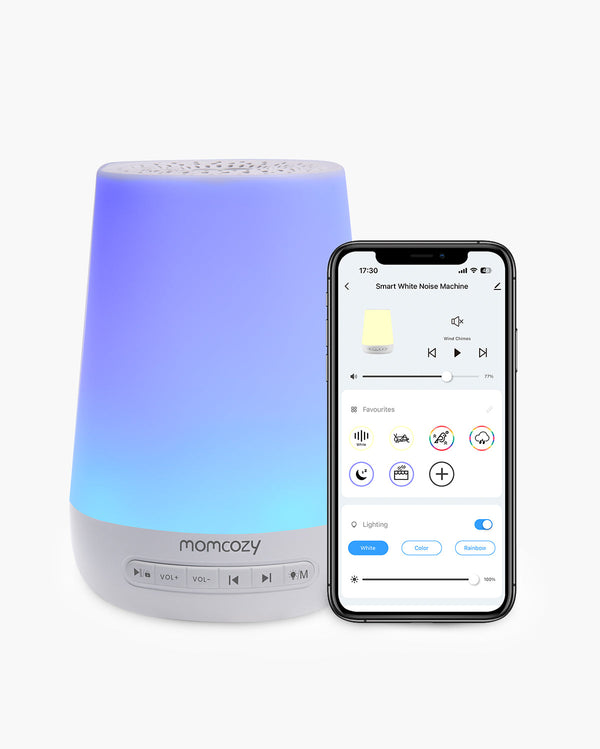
Zusammenfassend lässt sich sagen, dass Säuglinge im Alter von 1 Monat in der Regel 4-5 Mal am Tag einen Mittagsschlaf halten, der jeweils zwischen 30 Minuten und 2 Stunden lang ist. Sie brauchen Nickerchen für ihre Entwicklung und um Übermüdung zu vermeiden. Am besten schläfst du, wenn du eine entspannte Umgebung schaffst. Die Momcozy Smart Baby Geräuschmaschine kann in dieser Hinsicht besonders nützlich sein, mit 34 High-Fidelity-Klängen, wie z.B. beruhigendem weißen Rauschen und Schlafliedern, die wie die beruhigenden Geräusche des Mutterleibs klingen.
Eine Schlafenszeit-Routine für ein 1-Monats-Kind einrichten
Eine konsequente Schlafenszeit-Routine mag in diesem Alter verfrüht erscheinen, aber die Einführung einfacher beruhigender Aktivitäten kann deinem Baby signalisieren, dass es Zeit für eine längere Schlafphase ist. Berücksichtige diese Elemente für eine sanfte Schlafenszeit-Routine:
1. Dimmen des Lichts, um eine friedliche Atmosphäre zu schaffen
2. Ein warmes Bad (wenn dein Kinderarzt zustimmt)
3. Sanfte Massage mit babygerechter Lotion
4. ine Nahrungsaufnahme in einer ruhigen Umgebung
5. Sicheres Pucken
Apropos Pucken: Der Momcozy Babypucken kann den Schlaf deines Einmonatskindes entscheidend verändern. Er besteht aus ultraweicher Viskose aus Bambus und Baumwolle, die dreimal weicher ist als normale Baumwolle. Die großzügige Größe von 47 "x47" ist dem Komfort des Mutterleibs nachempfunden und hilft dabei, Schreckreflexe zu verhindern und einen längeren und tieferen Schlaf deines Kindes zu fördern.
App Remote Control
Sleep-Wake Routine
7 Color LED Light
34 Sounds
Ist der Schlaf im Alter von 1 Monat rückläufig?
Technisch gesehen gibt es keine 1-monatige Schlafregression. Was Eltern beobachten können, ist, dass ihr Neugeborenes wacher wird, wenn es aus der schläfrigeren Neugeborenenphase herauskommt. Dein Baby nimmt die Welt immer bewusster wahr, und das kann einen Einfluss auf seinen Schlaf haben.
Das ist eine normale Entwicklung und kein Rückschritt. Dein Baby könnte beginnen:
- Ein wenig länger wach zu bleiben
- reagiert stärker auf Umweltreize
- Eine klarere Schlaf-Wach-Rhythmik zu zeigen
Wie kann ich meinem 4 Wochen alten Baby helfen, gut zu schlafen?
Eine frühzeitige Einführung gesunder Schlafgewohnheiten kann sowohl dir als auch deinem Baby zugute kommen. Hier sind praktische Strategien, die deinem 4 Wochen alten Baby helfen, besser zu schlafen:
1. Erkenne die Schlafsignale: Reagiere auf frühe Anzeichen von Müdigkeit wie Gähnen, Augenreiben oder verminderte Aktivität.
2. Sorge für eine gleichmäßige Umgebung: Mit einer Smart Geräuschmaschine mit App-gesteuerten Einstellungen kannst du für jedes Nickerchen und jede Schlafenszeit die gleichen Schlafbedingungen schaffen.
3. Sicheres Pucken: Pucken, die leicht dehnbar sind, sorgen dafür, dass dein Baby bequem eingewickelt bleibt und verhindern, dass es sich erschreckend bewegt, was den Schlaf stören kann.
4. Unterscheidung von Tag und Nacht: Halte Aktivitäten am Tag in einer hellen Umgebung und Aktivitäten in der Nacht in einer gedämpften Umgebung, damit dein Baby Tag und Nacht unterscheiden kann.
5. Praktiziere sichere Schlafrichtlinien: Lege dein Baby immer auf den Rücken auf eine feste, flache Unterlage ohne lose Einstreu oder weiche Gegenstände.
Muss ein 1-Monats-Baby in der Nacht essen?
Ja, die meisten 1-monatigen Babys müssen nachts essen. Ihre kleinen Mägen können nur begrenzte Mengen an Milch oder Formula aufnehmen, und sie wachsen schnell. Die meisten 1-Monats-Babys müssen alle 2-3 Stunden gefüttert werden, auch nachts.
Nachtmahlzeiten sind biologisch normal und wichtig für:
- Angemessene Gewichtszunahme
- Gehirnentwicklung
- Aufrechterhaltung der Flüssigkeitszufuhr
- Unterstützung der Milchproduktion für stillende Mütter
Warum wehren sich Babys mit 1 Monat gegen den Schlaf?
Es kann frustrierend sein, wenn dein erschöpftes Baby sich dem Schlaf zu widersetzen scheint. Mehrere Faktoren können zu diesem Verhalten beitragen:
1. Übermüdung: Wenn Babys ihr Wachzeitfenster überschreiten, können Stresshormone wie Cortisol es ihnen erschweren, zur Ruhe zu kommen.
2. Unterstimulation oder Überstimulation: Es kann schwierig sein, das richtige Maß an Beschäftigung während der Wachphasen zu finden.
3. Unbehagen: Hunger, nasse Windeln, Temperaturprobleme oder Verdauungsbeschwerden können die Entspannung verhindern.
4. Umgebungsfaktoren: Helles Licht, laute Geräusche oder inkonsistente Schlafeinstellungen können es Babys schwer machen, in den Schlaf zu finden.
Kann mein 1 Monat altes Baby 7 Stunden ohne Nahrungsaufnahme schlafen?
Einige 1-Monats-Babys schlafen zwar gelegentlich länger, aber es ist nicht üblich oder empfehlenswert, dass sie in diesem Alter 7 Stunden ohne Essen durchschlafen. Die meisten Kinderärzte empfehlen, ein 1-Monats-Baby zur Nahrungsaufnahme zu wecken, wenn es länger als 4-5 Stunden schläft, vor allem, wenn es noch nicht sein Geburtsgewicht erreicht hat.
Wenn dein 1-monatiger Säugling 7 Stunden geschlafen hat, ohne ein oder zwei Mal eine Nahrungsaufnahme zu bekommen, könnte das sein:
- Eine Entwicklungsphase
- Erholung von einem besonders anregenden Tag
- Ein Wachstumsschub zur Vorbereitung
Erkundige dich immer bei deinem Kinderarzt nach den speziellen Bedürfnissen deines Babys bei der Nahrungsaufnahme.
FAQ zum Schlafverhalten von 1-monatigen Babys
Warum wacht mein 1-Monats-Baby nachts immer wieder auf?
Häufiges nächtliches Aufwachen ist in diesem Alter normal und hängt in der Regel mit Hunger, Komfortbedürfnissen oder natürlichen Schlafzyklen zusammen. Babys verbringen mehr Zeit im aktiven Schlaf (ähnlich dem REM-Schlaf) als Erwachsene, so dass sie eher zwischen den Zyklen aufwachen.
Warum wacht mein 1 Monat altes Baby auf, wenn es hingelegt wird?
Der Schreckreflex (Moro-Reflex) ist in diesem Alter besonders stark, so dass Babys das Gefühl haben, zu fallen, wenn sie auf eine flache Oberfläche gelegt werden. Auch der Temperaturwechsel von deinem warmen Körper zum kühleren Bettchen und der Verlust von Körperkontakt können das Aufwachen auslösen.
Das richtige Pucken mit einer bequemen Pucken kann das Aufwachen deutlich reduzieren, indem es den Schreckreflex sicher eindämmt und gleichzeitig atmungsaktiv bleibt. Der seidig-weiche Stoff schafft einen Übergang zwischen deiner warmen Umarmung und der Oberfläche des Kinderbettes.
Kann mein 1-monatiges Baby mit einem Schnuller schlafen?
Ja, Schnuller gelten im Allgemeinen als sicher für den Schlaf und können das SIDS-Risiko verringern. Wenn du stillst, empfehlen einige Experten jedoch, mit der Einführung eines Schnullers zu warten, bis das Stillen gut etabliert ist (normalerweise etwa 3-4 Wochen).
Kann ein 1-monatiges Kind auf dem Bauch oder auf der Seite schlafen?
Nein, Babys sollten zum Schlafen immer auf den Rücken gelegt werden, bis sie sich selbstständig umdrehen können. Das Schlafen auf dem Rücken ist einer der wichtigsten Faktoren zur Verringerung des SIDS-Risikos.
Welche Entwicklungsschritte muss ein 1-Monats-Baby machen?
Während sich der Schlaf entwickelt, arbeitet dein 1-monatiges Kind auch an:
- Anfangen, sich auf Gesichter und kontrastreiche Objekte zu konzentrieren
- Reagiert auf Geräusche, besonders auf vertraute Stimmen
- Kleine, ruckartige Armbewegungen machen
- Kurzes Heben des Kopfes während der Bauchlage
- Soziales Lächeln zu entwickeln
Sollte ich ein 1 Monat altes Baby beim Schlafen pucken?
Ja, die meisten 1-Monats-Babys profitieren vom Pucken, da es den Schreckreflex dämpft und ein gebärmutterähnliches Gefühl der Sicherheit vermittelt. Das vielseitige, quadratische Design des Momcozy Babypuckens ermöglicht verschiedene Pucken, um den Vorlieben deines Babys gerecht zu werden und gleichzeitig die richtige Hüftposition zu erhalten.
Schlussfolgerung
Der erste Lebensmonat deines Babys ist eine Zeit der Anpassung für dich und dein Kind. Auch wenn Schlaf manchmal unmöglich erscheint, solltest du bedenken, dass das exzessive Schlafen und Wachsein deines Babys Teil eines normalen Entwicklungsprozesses ist. Indem du für die Schlafbedürfnisse deines 1-Monats-Babys sorgst und Hilfsmittel einsetzt, kannst du eine Umgebung schaffen, die gesündere Schlafgewohnheiten fördert.
Denke daran, dass Beständigkeit, das Befolgen der Anweisungen deines Babys und eine sichere Schlafumgebung die Eckpfeiler für guten Schlaf in dieser Phase sind. In kürzester Zeit wird dein Baby in berechenbare Routinen verfallen, die das Leben für alle in der Familie einfacher machen.
Das Wichtigste ist, dass du in dieser schwierigen Zeit sanft mit dir selbst umgehst. Schlaflose Nächte bei Neugeborenen dauern nicht ewig, und mit der Zeit und der richtigen Unterstützung werden du und dein Baby schließlich in euren Rhythmus kommen.