Stillen ist ein persönlicher Weg mit Belohnungen und Herausforderungen; oft verursachen Empfindlichkeit und Zärtlichkeit der Brustwarzen großes Leid. Neue Mütter können durch Probleme wie schmerzhafte, rissige oder blutende Brustwarzen davon abgehalten werden, weiterzumachen. Um praktikable Lösungen zu finden, muss man die Ursachen kennen - wie falsches Anlegen und Brustschmerzen. In diesem Artikel werden häufige Brustwarzenprobleme beim Stillen besprochen und praktische Tipps zur Vorbeugung und Linderung gegeben, damit es für Mutter und Kind angenehmer wird.
Beschwerden der Brustwarzen beim Stillen verstehen
Stillen ist ein natürlicher Prozess, der anfangs eine Herausforderung darstellen kann, insbesondere in Form von wunden, rissigen oder empfindlichen Brustwarzen. Studien zeigen, dass bis zu 90 % der Mütter zu Beginn des Stillens ein gewisses Maß an Unbehagen an den Brustwarzen verspüren.
>
Häufige Symptome:
- Milde Zärtlichkeit oder Schmerzen in den Brustwarzen
- Sichtbare Risse oder Brüche in der Haut
- Erhöhte Empfindlichkeit der Brustwarzen
- Scharfe Schmerzen beim Stillen
- Gelegentliches Bluten
Warum es passiert:
- Eine Anpassungsphase für Mutter und Baby
- Die Haut der Brustwarze passt sich an das häufige Saugen an
- Improper latching technique
- Ausgedehnte Nahrungsaufnahmen
- Plötzliche Änderungen in der Häufigkeit der Nahrungsaufnahme
- Mögliche Erkrankungen wie Soor
Die Gemeinsamkeiten verstehen:
In den ersten Wochen des Stillens treten diese Symptome besonders häufig auf, während Mutter und Kind eine angemessene Stilldynamik erlernen. Obwohl diese ersten Beschwerden häufig auftreten, sollten sie als vorübergehende Phase und nicht als dauerhafter Aspekt des Stillens angesehen werden.
Erinnere dich daran, dass die Überwindung dieser Hindernisse normal und vorübergehend ist. Die meisten Brustwarzenbeschwerden lassen sich mit der richtigen Anleitung, Methode und Hilfe gut kontrollieren. Wenn die Symptome jedoch anhalten oder schlimmer werden, solltest du eine Stillberaterin oder einen Gesundheitsdienstleister aufsuchen.
>
Was sind die Ursachen für Brustwarzenschmerzen oder wunde Brustwarzen beim Stillen?
Schmerzen oder wunde Brustwarzen in der Stillzeit können durch eine Vielzahl von Faktoren verursacht werden, die jede Mutter aufgrund ihrer Lebensumstände und Erfahrungen anders trifft. Hier sind einige der häufigsten Ursachen:
>
-
Falsches Anlegen: Eines der häufigsten Probleme ist das falsche Anlegen, das zu erheblichen Beschwerden an der Brustwarze führen kann, da das Baby nicht richtig an der Brust anliegt. Das führt oft zu Reibung und Druck, die Schmerzen verursachen können.
-
Infektionen: Erkrankungen wie Soor und Hefepilze können zu starken, brennenden Schmerzen in den Brustwarzen führen. Es können auch bakterielle Infektionen auftreten, die zu Rötungen und Schmerzen führen.
-
Engorgement: Wenn die Brüste zu voll sind, können sie sich verhärten und dem Kind das Anlegen erschweren, was zu erhöhter Empfindlichkeit und Schmerzen führt.
-
Anatomische Herausforderungen: Variationen wie Flach- oder Hohlbrustwarzen können das effektive Stillen erschweren, was manchmal zu zusätzlichen Beschwerden führt, wenn Mutter und Kind sich um ein gutes Anlegen bemühen.
-
Trockene Haut oder allergische Reaktionen: Äußere Faktoren wie trockene Haut oder Reaktionen auf Cremes und Lotionen können zu Wundsein beitragen, weshalb eine regelmäßige Pflege und eine angemessene Produktverwendung wichtig sind.
-
Vasospasmus: In manchen Fällen kann es nach der Nahrungsaufnahme zu einem Vasospasmus der Brustwarze kommen - eine Verengung der Blutgefäße, die zu starken Schmerzen und Farbveränderungen der Brustwarze führen kann.
Wenn man diese möglichen Ursachen kennt, kann man die Quelle der Beschwerden besser finden. In den folgenden Abschnitten geht es um spezifische Abhilfemaßnahmen und Behandlungsstrategien, die nützliche Hinweise zur Verringerung und Vermeidung von Brustwarzenschmerzen geben und so ein angenehmes Stillerlebnis garantieren.
Wie lange hält der Brustwarzenschmerz beim Stillen an?
In den ersten zwei Wochen, in denen dein Körper das Stillen lernt, sollten die typischen Brustwarzenschmerzen nach und nach verschwinden, wenn Mutter und Kind sich an das Stillen gewöhnt haben. Wenn die Schmerzen jedoch länger als zwei Wochen andauern oder sehr stark werden, solltest du eine Stillberaterin oder einen Arzt aufsuchen, da dies auf zugrundeliegende Probleme hinweisen kann, die eine Behandlung erfordern.
Wie werden rissige oder blutende Brustwarzen behandelt?
Bei rissigen oder blutenden Brustwarzen ist eine schnelle und gründliche Behandlung absolut notwendig, damit der Heilungsprozess beginnt und das Stillen so angenehm wie möglich bleibt. Hier sind gezielte Schritte, die du zur Behandlung dieser Probleme befolgen kannst:
>
1. Oft ist der erste Schritt, das Anlegen deines Babys neu zu bewerten und zu korrigieren. Das kann helfen, weitere Schäden zu verhindern und eine schnellere Heilung von bereits bestehenden Verletzungen zu ermöglichen. Wende dich an eine Stillberaterin, wenn das Anlegen schwierig erscheint.
2. Verwende Lanolin-basierte Brustwarzencremes oder andere empfohlene Salben, die für stillende Mütter entwickelt wurden. Diese können den Schmerz lindern und die Haut vor weiteren Schäden schützen, während sie gleichzeitig ein feuchtes Heilungsumfeld schaffen.
>
3 Das Tragen von Brusthüllen zwischen den Nahrungsaufnahmen kann verhindern, dass die Kleidung an den wunden Brustwarzen reibt, so dass sie ohne zusätzliche Reibung heilen können.
4. Nach der Nahrungsaufnahme drückst du etwas Muttermilch ab und trägst sie sanft auf deine Brustwarzen auf. Muttermilch hat natürliche heilende Eigenschaften, die bei der Genesung helfen können.
>
5. Frei verkäufliche Schmerzmittel wie Acetaminophen oder Ibuprofen können zur Schmerzlinderung eingesetzt werden. Halte dich immer an die Dosierungsempfehlungen und konsultiere bei Bedarf einen Arzt.
>
6 Das Auflegen von warmen Kompressen auf die Brüste vor dem Stillen kann den Milchfluss anregen und den Druck auf die Brustwarzen verringern.
7. Lasse deine Brustwarzen nach jeder Nahrungsaufnahme an der Luft trocknen. Das fördert die Heilung und verringert das Risiko einer Infektion, die durch Feuchtigkeit unter der Kleidung entstehen kann.
Kannst du mit gerissenen Brustwarzen noch stillen?
Ja, du kannst auch mit gerissenen Brustwarzen stillen. Trotz der Unannehmlichkeiten ist es in der Regel sicher, weiter zu stillen, wenn du Strategien anwendest, um die zugrunde liegenden Probleme anzugehen und zu heilen. Es ist wichtig, dass du dich darauf konzentrierst, alle Probleme zu beheben, die zur Beschädigung der Brustwarze geführt haben, wie z.B. das richtige Anlegen, das in den vorherigen Abschnitten beschrieben wurde.
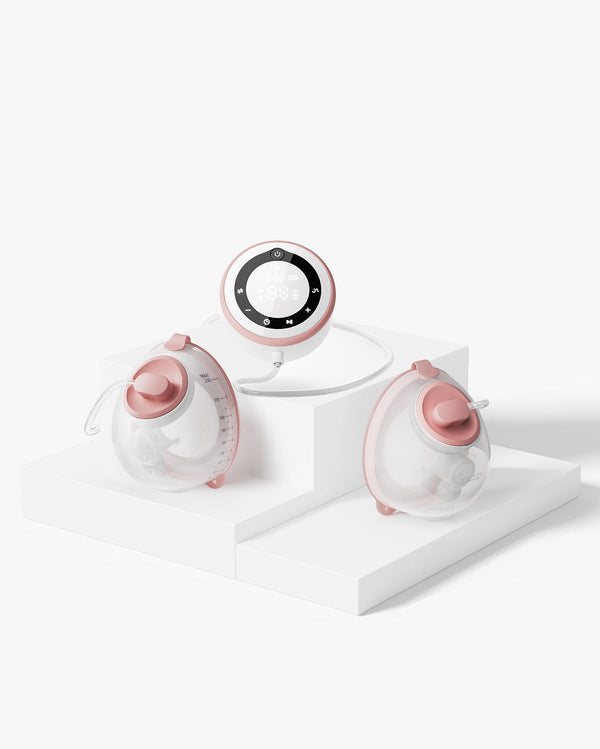
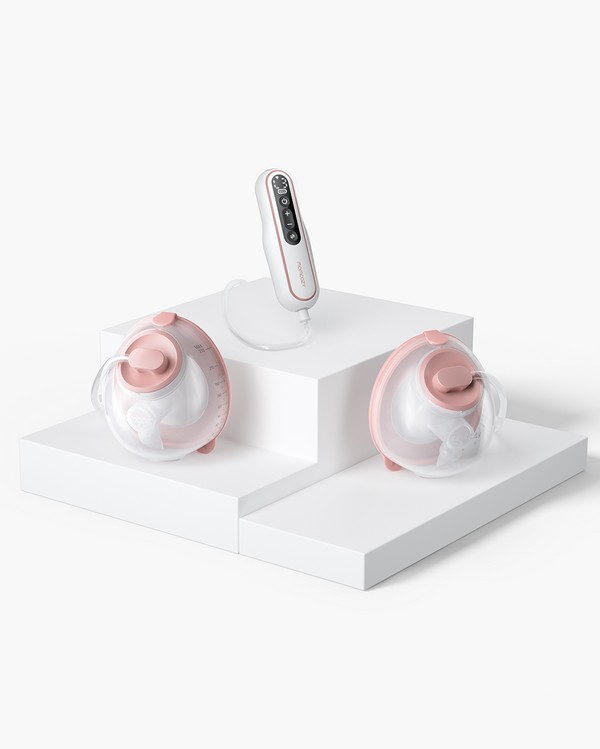
Bei starken Brustwarzenschmerzen kann es hilfreich sein, kurzzeitig eine Milchpumpe zu verwenden. Mit ihrem DoubleFit™-Flansch bietet die Momcozy M9 freihändige Milchpumpe einen bequemen Sitz und konfigurierbare Saugstufen. Sie ist eine großartige Wahl, um schmerzenden Brustwarzen eine Pause zu gönnen und gleichzeitig die Milchversorgung aufrechtzuerhalten, da viele Sitzungen pro Ladung möglich sind.
Auch wenn das Stillen unter Schmerzen schwierig sein kann, können Strategien zur Schmerzbewältigung, die Anwendung von Behandlungen wie Brustwarzencremes und das Abpumpen von Milch zu therapeutischen Zwecken helfen, die Beschwerden zu verringern. Wie bereits beschrieben, tragen diese Strategien dazu bei, weitere Verletzungen zu verhindern und die Heilung zu fördern und damit die Fortsetzung des Stillens zu unterstützen.
>
Wie man Probleme mit der Brustwarze beim Stillen verhindert
Zur Vorbeugung von Brustwarzenproblemen während des Stillens gehören proaktive Maßnahmen, die die Gesundheit der Brustwarzen erhalten und ein angenehmes Stillerlebnis gewährleisten. Hier sind einige Strategien, die sich speziell auf die Prävention konzentrieren:
>
Auf richtiges Anlegen von Anfang an achten
Das richtige Anlegen deines Babys ist der Schlüssel zur Vermeidung von Brustwarzenschäden. Achte darauf, dass der Mund deines Babys einen großen Teil des Warzenhofs bedeckt, nicht nur die Brustwarze, um Reibung und Druck zu verringern.
>
Anpassen der Stillpositionen
Experimentiere mit verschiedenen Stillpositionen, um diejenige zu finden, die für dich und dein Baby den größten Komfort und das beste Anlegen bietet. Manchmal kann es schon einen großen Unterschied machen, wie du sitzt oder liegst.
Gleichmäßiges Abstillen oder Übergang
Wenn du Flaschennahrung einführst oder zu fester Nahrung übergehst, solltest du dies schrittweise tun, um plötzliche Änderungen in der Nahrungsaufnahme zu vermeiden, die zu Verstopfung und Stress für die Brustwarzen führen könnten.
Hydratisieren und die Gesundheit der Haut erhalten
Halte deine Haut mit Feuchtigkeit versorgt, indem du viel trinkst und Feuchtigkeitscreme um die Brustwarzen herum, aber nicht direkt darauf aufträgst, es sei denn, du verwendest eine empfohlene Brustwarzencreme. Vermeide scharfe Seifen oder Produkte, die die Haut austrocknen könnten.
>
Trage bequeme, stützende Still-BHs
Wähle BHs aus atmungsaktiven Materialien, die ausreichend stützen, ohne zu eng zu sein, was zu Reibung und Reizungen führen kann. Der Momcozy Still-BH zum Beispiel besteht aus butterweichem, atmungsaktivem Material und hat ein nahtloses, kabelloses Design, das für optimalen Komfort sorgt. Die verstellbaren Polster und das weiche Band bieten stillenden Müttern eine hervorragende Unterstützung, während der Einhandverschluss das Stillen bequem macht.
Ultra weich
Einfaches Stillen
Hohe Effizienz
Von Experten abgestimmte Rhythmen
App-Steuerung
Lange Akkulaufzeit
Praktiziere gute Hygiene
Halte deine Brustwarzen nach jeder Nahrungsaufnahme sauber und trocken. Lass sie so gut wie möglich an der Luft trocknen, um Feuchtigkeitsansammlungen zu vermeiden, die zu Infektionen führen können.
Regelmäßig den Mund des Babys auf Soor untersuchen
Achte auf Anzeichen von Soor im Mund deines Babys, denn diese Pilzinfektion kann auf die Brustwarzen übergehen und Schmerzen verursachen. Eine frühzeitige Erkennung und Behandlung kann dieses Problem verhindern.
>
Wann sollte ich bei rissigen oder blutenden Brustwarzen Hilfe suchen?
Ein gewisser Schmerz der Brustwarzen ist in der Anfangsphase des Stillens zwar normal, aber es gibt eindeutige Anzeichen dafür, dass es Zeit ist, professionelle Hilfe zu suchen. Wenn du eines der folgenden Anzeichen bemerkst, ist es ratsam, einen Gesundheitsdienstleister oder eine Stillberaterin zu konsultieren:
-
Anhaltende Schmerzen über die ersten Wochen hinaus: Wenn die Schmerzen oder Schäden an der Brustwarze über die ersten zwei Wochen des Stillens hinaus bestehen bleiben, obwohl du Abhilfemaßnahmen ausprobiert hast, könnte dies ein Hinweis auf ein grundlegendes Problem sein, das behandelt werden muss.
-
Verschlimmerung der Symptome: Wenn sich die Risse vertiefen, die Blutung zunimmt oder neue Symptome wie Rötung, Schwellung oder Eiter auftreten, kann dies auf eine Infektion wie Mastitis oder Soor hinweisen.
-
Schwierigkeiten beim richtigen Anlegen: Wenn du trotz aller Anpassungen und Versuche, das Anlegen deines Babys zu verbessern, weiterhin Schmerzen hast, kann dir eine Stillberaterin praktische Hilfe und Lösungen anbieten.
-
Schwere Schmerzen während oder zwischen den Nahrungsaufnahmen: Wenn die Schmerzen während des Stillens so stark sind, dass sie ein Problem darstellen, oder wenn sie zwischen den Nahrungsaufnahmen anhalten, wird eine professionelle Untersuchung empfohlen.
Anzeichen einer Infektion: Fieber, Schüttelfrost oder grippeähnliche Symptome, die mit Brust- oder Brustwarzenschmerzen einhergehen, können auf eine Infektion hinweisen, die medizinisch behandelt werden muss.
Schlussfolgerung
Auch wenn häufige Stillprobleme wie empfindliche und wunde Brustwarzen auftreten, sind sie mit den richtigen Techniken beherrschbar. Die Suche nach den Ursachen - wie Infektionen oder falsches Anlegen - ermöglicht praktikable Lösungen. Neben unterstützenden Artikeln helfen auch Stillberaterinnen und entspannende Behandlungen sowie andere Ressourcen. Ein frühzeitiges Eingreifen garantiert ein angenehmeres Stillerlebnis, indem es hilft, aktuelle Probleme zu lösen und zukünftige zu vermeiden. Mütter, die sich schnell um diese Probleme kümmern und bei Bedarf Hilfe in Anspruch nehmen, können ihr Baby weiter stillen und die großen Vorteile des Stillens genießen.